Step 1
Open the beginner guide
Start with the beginner guide if you want official access notes, spoiler-aware first-run advice, and links into the deeper walkthrough pages.
Open beginner guide →Psychological horror visual novel
Play The Freak Circus free online with walkthrough help, endings guidance, and character routes for the Circus of Horrors.


Step 1
Start with the beginner guide if you want official access notes, spoiler-aware first-run advice, and links into the deeper walkthrough pages.
Open beginner guide →Step 2
Learn who matters first. Character pages and lore pages make more sense once you know the emotional and thematic shape of the circus.
Open character guide →Step 3
Use the update and Day 3 pages when you want to know what is officially known, what players expect next, and where to verify new progress.
Check Day 3 status →This page works as the front door for The Freak Circus rather than trying to replace every deeper guide page on the site.
Players can move from brand discovery into walkthrough, character, lore, and update pages without getting thrown into the wrong intent too early.
The site keeps official access and devlog references visible so visitors know where guide content ends and creator-controlled information begins.
Routes, endings, characters, wiki topics, and update tracking live on their own pages so each page can carry a clearer search job.
Use the featured profiles below as your quickest way into the cast, then continue to the full Characters Guide for role summaries and page-by-page reading paths.
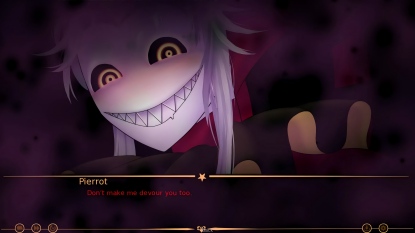
Best for players chasing emotional dependency, fragile intimacy, and choices that feel like care versus harm.
Read the Pierrot profile →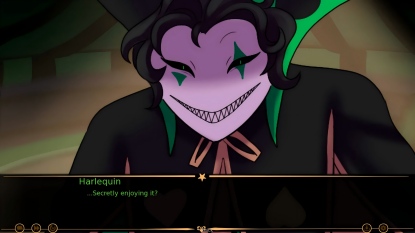
Best for players who want sharper flirtation, manipulation games, and unstable tension that hides behind playfulness.
Read the Harlequin profile →
Use this path for lore-heavy interpretation, Columbina context, and understanding how the circus explains itself.
Read the Jester profile →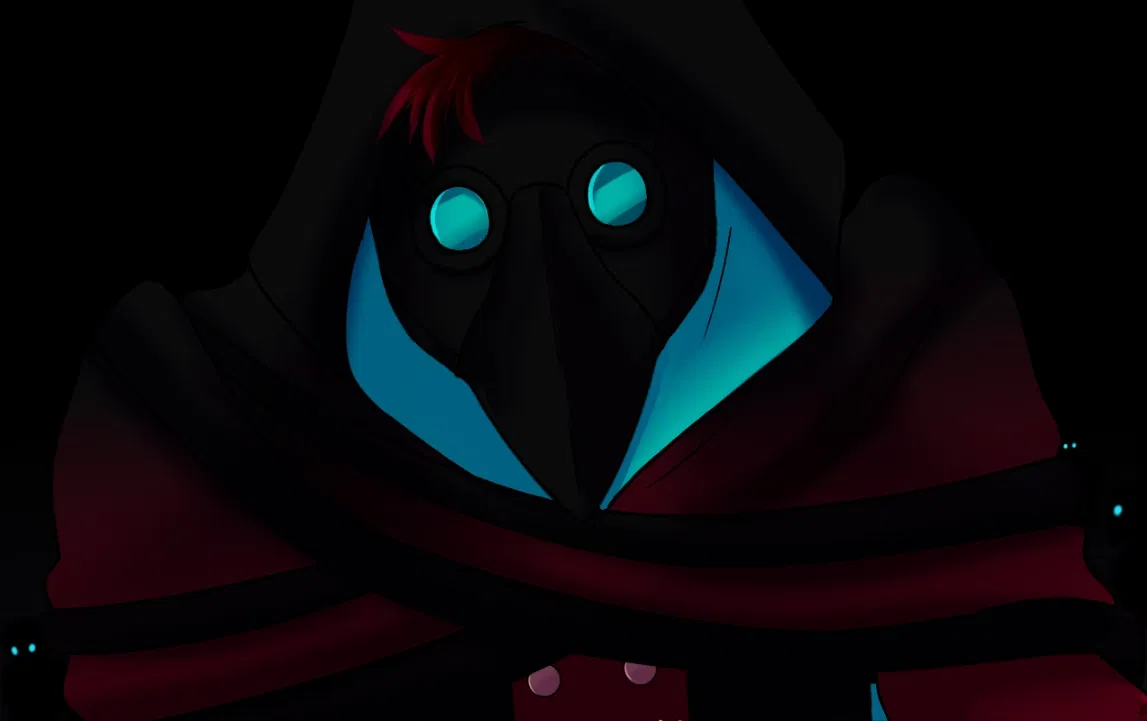
Doctor scenes matter when you're tracking fear, control, and the colder systems of horror inside the circus.
Read the Doctor profile →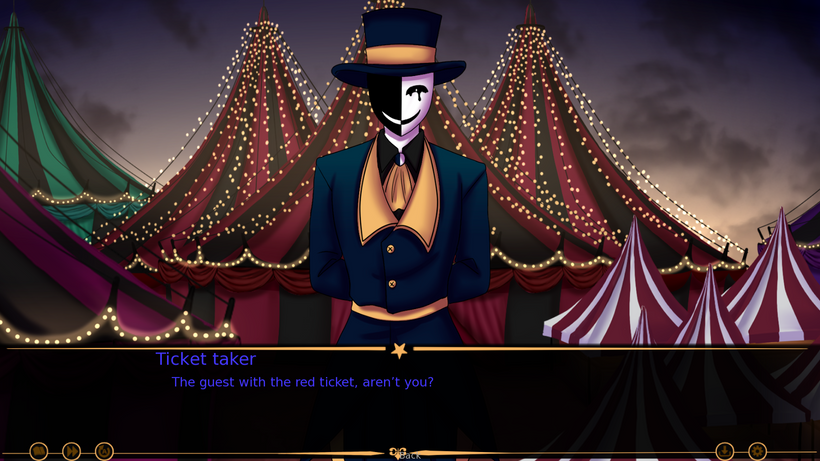
Mirror-heavy scenes are strong candidates for branch saves if you're mapping truth, distortion, and hidden route pressure.
Read the Ticket Taker profile →Walkthrough branch
Use the walkthrough hub when you need Day 1 and Day 2 guidance, choice order, ending warnings, and links into the full branch map.
Open walkthrough hubUse the Pierrot route guide when you want a focused path for care choices, bad-end pressure, and room-scene save planning.
Open Pierrot route →Use the Harlequin route guide when you want clue-based choices, testing scenes, mark tracking, and mirror callbacks.
Open Harlequin route →Use the endings page when you are ready to organize replay slots, branch labels, and late-run outcome planning without mixing that intent into the homepage.
Open endings hub →Use the wiki when you want story themes, symbolism, and circus context rather than route optimization or beginner onboarding.
Open wiki →Use the Play Online and Download pages when your first question is simply how to reach the current official build safely.
Start with the cast overview and only then move into focused character pages if you want context before route-heavy reading.
Use the Day 3 page when you want the latest known status, release-watch framing, and next-step expectations in one place.
Use the wiki and related lore pages if you care more about symbolism, story interpretation, and recurring circus references than route planning.
Visitors searching for the next major release usually want a single place to check current Day 3 expectations before digging into route or lore details.
Jester, Doctor, and Ticket Taker are better handled through character and lore pages than through generic homepage summaries or broad update blurbs.
The homepage works best when it introduces the game, the cast, and the major reading paths instead of trying to rank for every long-tail intent itself.
Start with the beginner guide, then move into the walkthrough, characters, official access pages, and only after that into route or ending hubs.
Use the character cluster first. The full cast hub and individual profiles are better for that question than a generic beginner page.
Use the Day 3 page for current status and official-source checking rather than relying on scattered snippets across route or update pages.
Strong route attachment is exactly why players need better save planning than generic summary pages give them.
Update hunger is real here, which is why an update tracker belongs beside the route and ending pages.
When endings land hard, players immediately start looking for branch logic, not just character introductions.
Pierrot and Harlequin both drive repeat runs, so the homepage now points people toward replay value instead of repeating basic plot setup.